


Nanomaterials Overview
Selecting the right nanoparticle is critical, as it can dramatically influence product feel, appearance, stability, and performance. With more than 20 years of experience in nanomaterials, we can help guide you with particle selection for your formulation-ready cosmetic and aesthetic solutions.
Examples of nanomaterial platforms designed to elevate performance include:
| Particle Type | Key Features | Highlighted Uses |
|---|---|---|
| Polymeric & Mesoporous Silica | Biocompatible properties, controlled delivery & release |
|
| Titania (TiO2) | Efficient mineral UV-absorber; widely used |
|
| Gold | Biocompatible properties, unique optical effects, photothermal response |
|
| Silver | Antimicrobial and antifungal, customizable optical effects |
|
| Iron Oxide | Biocompatible properties, magnetically responsive |
|
| Hydroxyapatite | Biomimetic and biocompatible properties |
|
| Silica | Biocompatible properties, premium high-quality materials |
|
Table 1: Description of select nanomaterials used in cosmetics and aesthetic medicine
Connect with our Nanomaterial Experts
Quality You Can Rely On
- cGMP and ISO 13485 capabilities for custom products
- Batch-specific characterization and nanoparticle analysis
- Scalable processes
- Made in USA
Nanomaterial Surface Chemistries
Nanoparticle surface chemistry can be tailored to optimize dispersion, sensory feel, optical performance, and formulation compatibility. nanoComposix works with your team to design nanomaterial surfaces that deliver reliable performance across a wide range of formulations and processing conditions.
| Surface Chemistry | Description |
|---|---|

|
Native oxide surfaces support dispersion, optical performance, and formulation compatibility across a range of cosmetic applications. |

|
Silicone treatments (e.g., dimethicone-type coatings) improve slip, hydrophobicity, wear, and sensory feel, and support dispersion in oil-based formulations. |

|
Silane surface modifications increase hydrophobicity, improve oil dispersibility, and reduce whitening in mineral-based cosmetic formulations. |

|
Surface treatments using fatty acids or surfactants improve wetting, reduce agglomeration, and enhance sensory performance. |

|
Polymer-based surface treatments can be tailored to improve compatibility and dispersion in either aqueous or oil-based formulations. |

|
Functional chemistries such as peptides, proteins, & small molecules can be used to improve functional performance for cosmetic and medical aesthetic applications. |
Table 2: Description of common surface modifications for nanomaterials used in cosmetic and aesthetic medicine
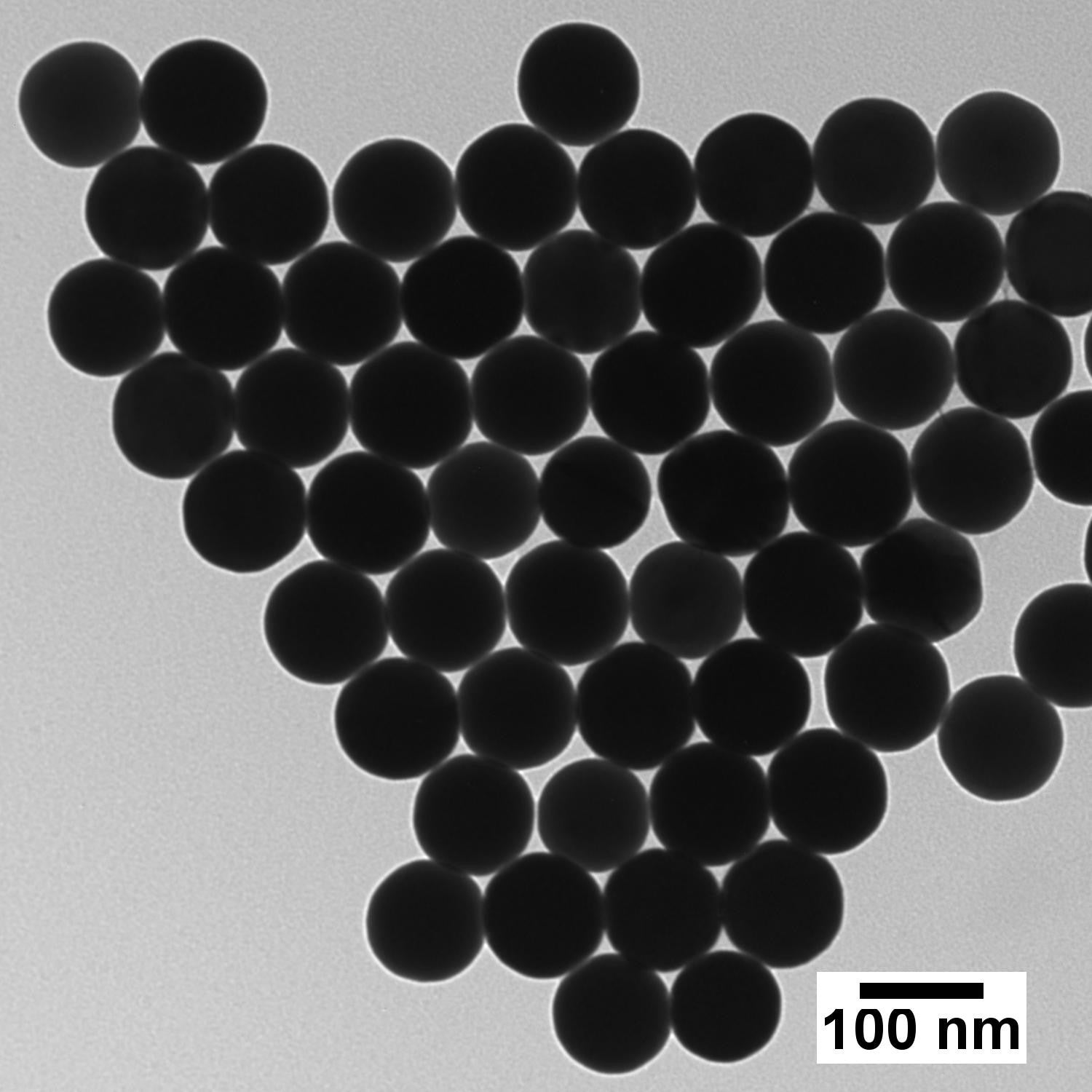
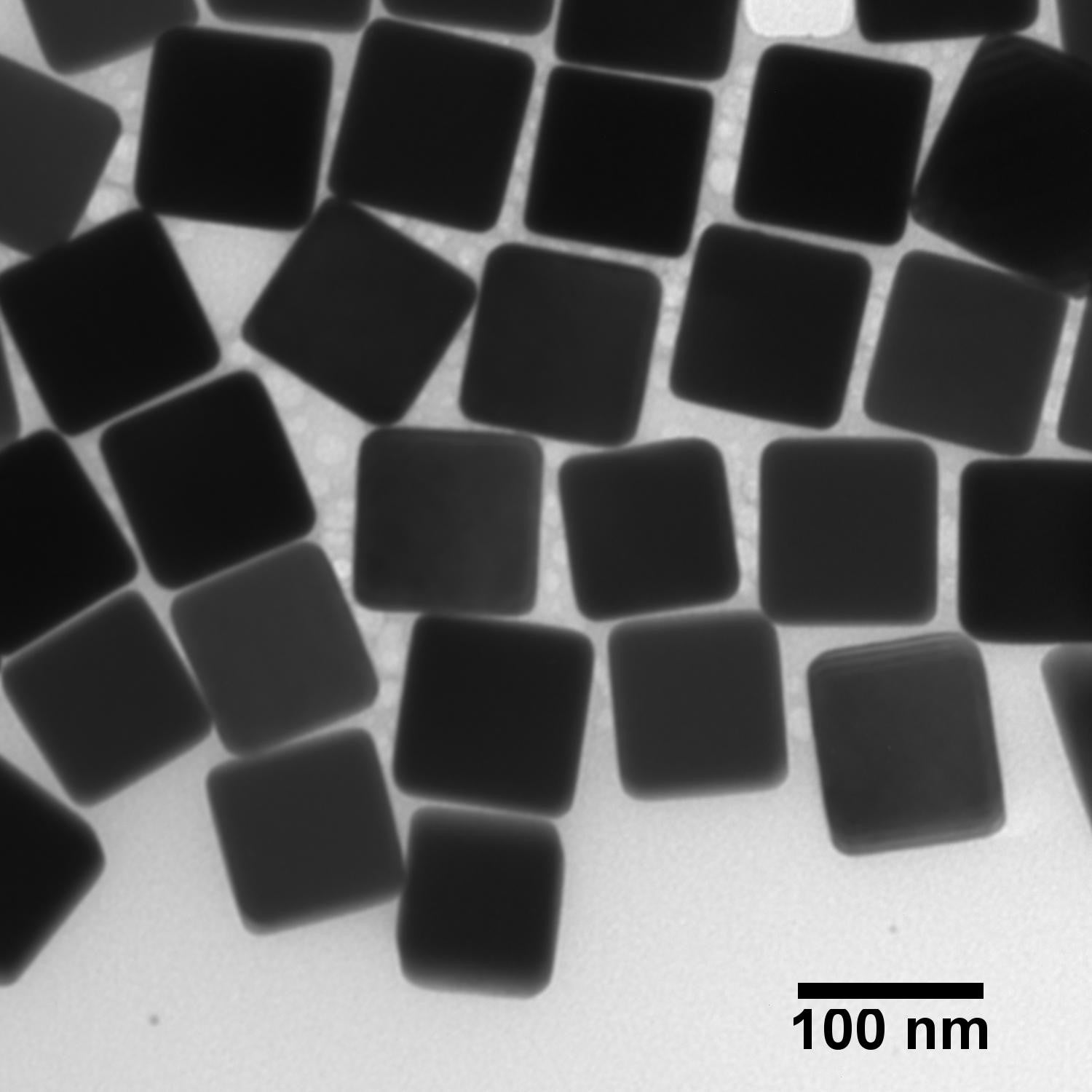
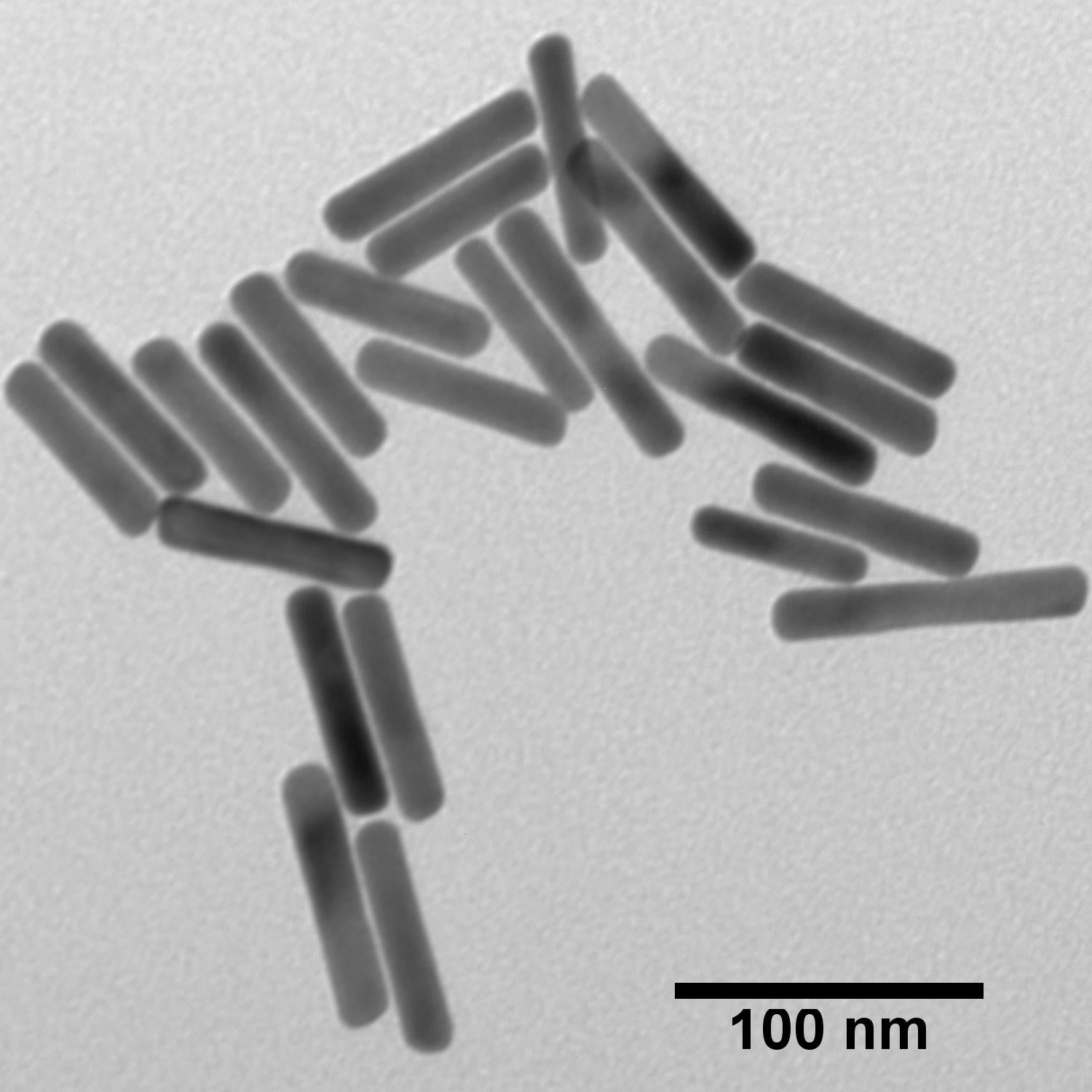
Nanomaterial Size and Morphology
Key particle parameters play a major role in how cosmetic formulations look, feel, and perform. We tailor particle size and morphology to achieve the optical, sensory, and stability performance your advanced formulation requires.

Partner with nanoComposix for High Quality Nanomaterials
Nanoparticle expertise backed by:
- 20+ years developing innovative solutions for complex challenges
- ISO 13485 certification & GMP manufacturing capabilities
- Over 4,000 scientific citations and references
FAQ: Nanomaterials for Cosmetics
Can you assist my team in finding or developing the right solution?
Yes. Our nanomaterial experts work closely with your team to identify, adapt, or develop the optimal solution for your specific formulation challenge.
What if my product has additional regulatory or quality requirements?
nanoComposix supports products with a range of regulatory and quality requirements. Our team can align material design, documentation, and manufacturing controls to support regulated activities. nanoComposix has an ISO 13485 certified Quality Management System and cGMP compliant manufacturing capabilities.
What methods do you use to characterize your particles?
Characterization is particle-specific, but often includes measuring:
- Size – TEM, DLS
- Surface charge – Zeta potential
- Concentration – ICP-MS, mass balance
- Optical properties – UV-Vis
Can nanomaterials be customized for my formulation’s pH?
Yes. We work with you to tailor nanomaterial composition and surface chemistry to support stable performance across your formulation’s target pH range.
What if my product requires additional component testing?
We routinely coordinate with external testing resources to support additional testing needs.
How do you control and measure impurities?
Our team leverages deep expertise in nanoparticle processing and characterization to control and verify material purity. We carefully select high-grade, heavy-metal-free reagents and apply extensive purification steps to achieve the required purity levels—often exceeding 99%. Impurities are assessed using validated analytical methods, and materials are routinely tested for endotoxin contamination. This integrated approach ensures consistent, high-quality nanomaterials for safe and reliable performance.